Tiny Moves, Big Evidence

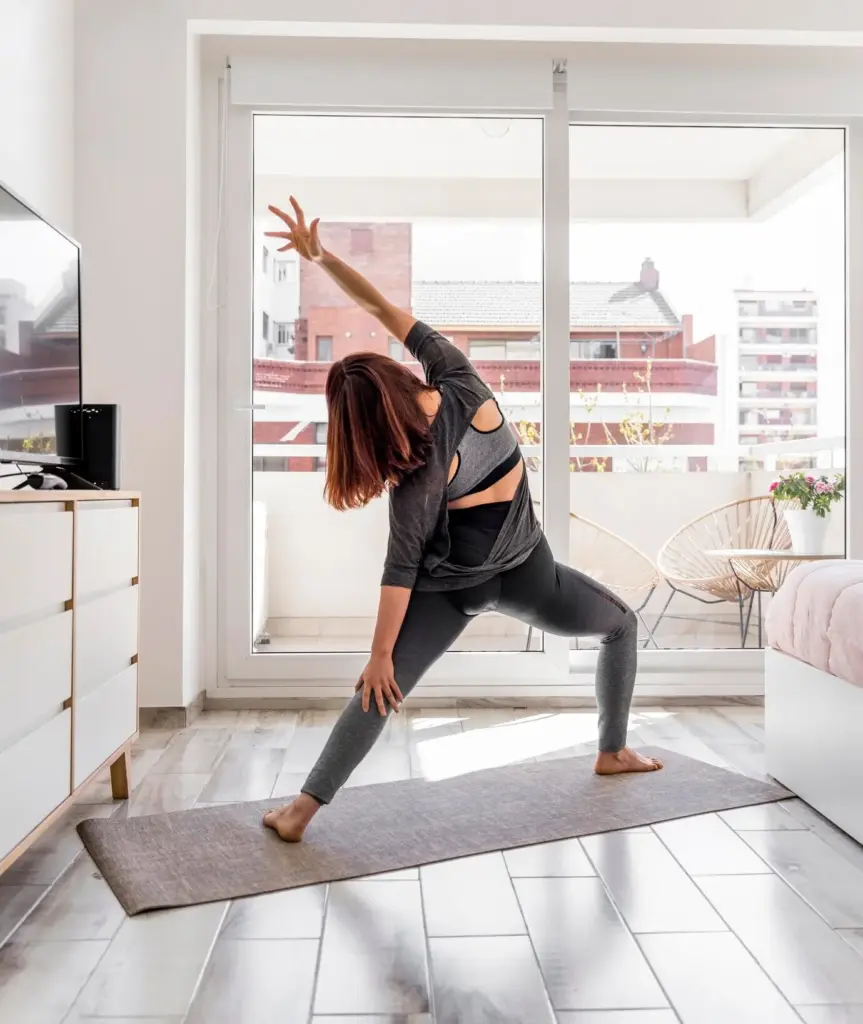
Today we explore Science-Backed Benefits of Ultra-Short Mindful Movement, revealing how intentional sixty-to-ninety-second bouts can uplift focus, mood, and metabolic health without draining time or willpower. Expect lab-informed insights, relatable stories, and simple protocols you can try immediately, then share your experience so our community can learn from your real-world wins and adjustments.

What Counts as Ultra-Short and Why It Works
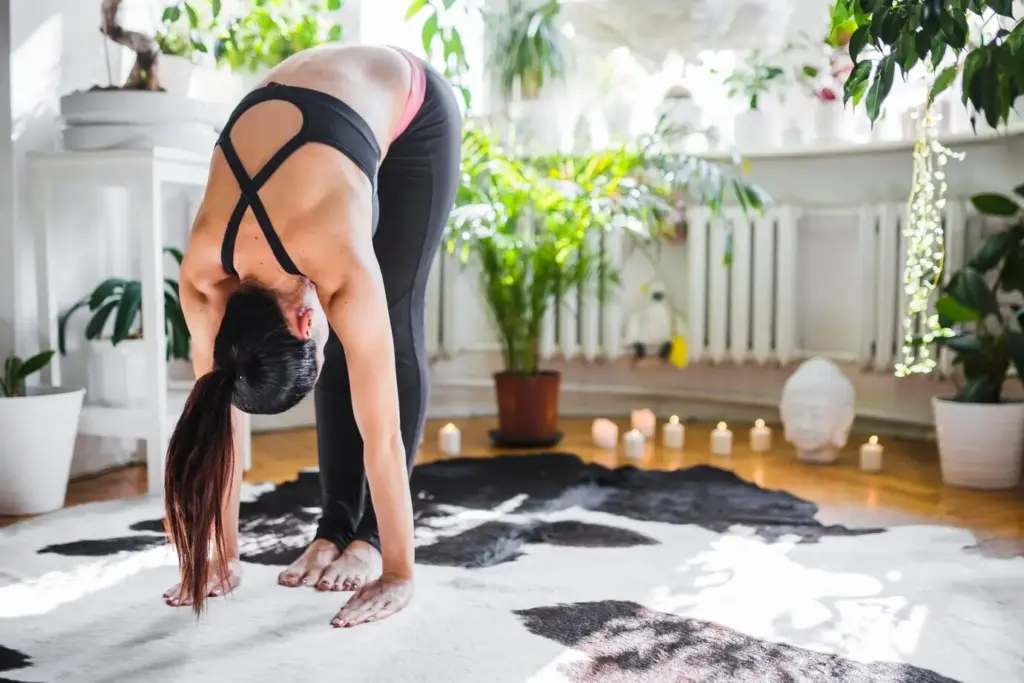
Ultra-short mindful movement means brief, focused bursts—often one to two minutes—where attention, breath, and purposeful motion align. The magic comes from stacking small neurophysiological nudges: improved blood flow, refreshed attention networks, and subtle autonomic balancing. Used consistently, these pinprick interruptions accumulate into meaningful changes without intimidating schedules or complicated gear, making adherence natural, humane, and genuinely sustainable for busy people.

Defining the minute well spent

A well-spent minute blends three ingredients: clear intent, gentle-to-brisk movement, and present-moment awareness. Think controlled breathing paired with squats, brisk hallway steps while noticing footfalls, or shoulder circles synchronized with slow exhales. The goal is not exhaustion but precision—ending slightly energized, calmer, and mentally brighter, ready to resume work or life with fewer jitters and more centered clarity.

The physiology in ninety seconds

In ninety seconds, muscle contractions boost local blood flow, glucose transporters become more available, and proprioceptive signals flood the brain, refreshing cortical maps. Heart rate edges upward, then settles, nudging heart–brain communication toward balance. Synovial fluid circulates through joints, fascia rehydrates, and the nervous system receives a soft reboot. Small inputs, repeated often, remodel stress reactivity and attention—efficient, measurable, and surprisingly satisfying.

Mindfulness is the multiplier

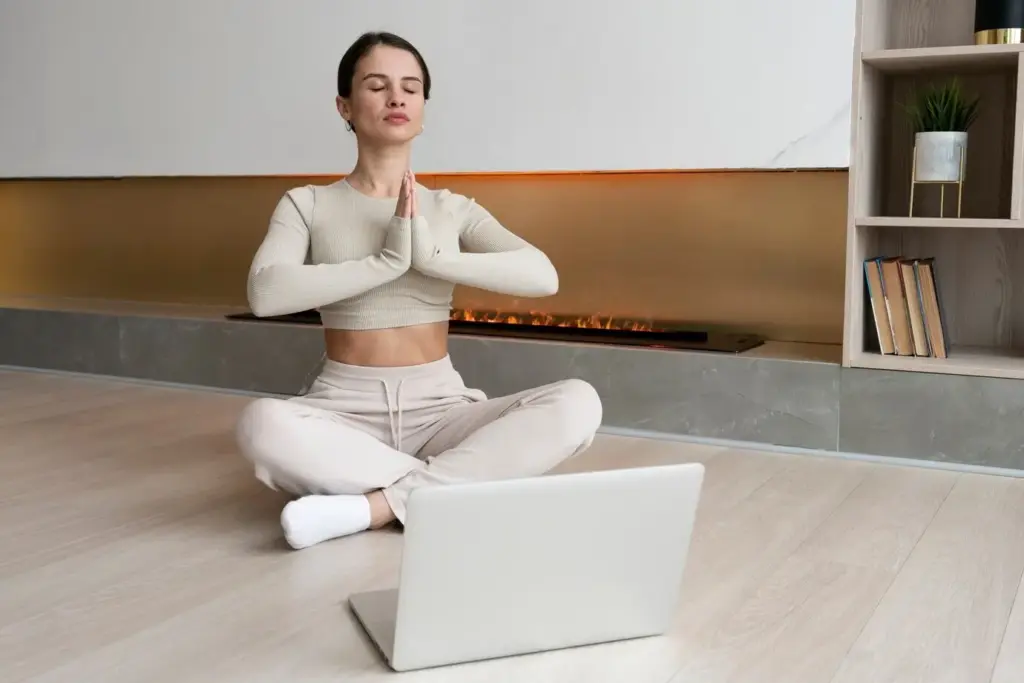
Mindfulness turns motion into sharper outcomes. By noticing breath, tension, and movement quality, you reduce unnecessary muscular guarding and increase sensory richness, which can quiet rumination and sharpen executive control. Instead of checking out, you check in, transforming a microbreak into a micro-practice of regulation. This gentle self-monitoring teaches the body–mind to return to steadiness faster, even during demanding days.

Sharper Focus in the Next Five Minutes

Brief, intentional movement generates a near-term focus window. A modest rise in arousal without tipping into anxiety helps working memory and task switching. The result is practical: open the document, join the call, or return to code with less friction. Use these mini-intervals proactively before cognitively heavy moments, and notice fewer false starts, less procrastination, and a friendlier on-ramp to deep work.

BDNF and the focus window

Even small bouts can elevate neurochemical messengers linked with learning and attention, while increasing cerebral blood flow just enough to invigorate cortical networks. You feel it as clearer thinking and quicker recall, especially after long sitting spells. The beauty lies in timing: move briefly, breathe slowly, then leverage that sharpened window for an important paragraph, critical email, or thoughtful decision you had delayed.

Resetting attention without derailing flow

Traditional breaks can spiral into distractions. Ultra-short mindful movement respects momentum because it is brief, structured, and embodied. You step away, move with purpose, and step back before your mind wanders into endless scrolling. Think of it as a precision reset—enough to lift fatigue and refresh curiosity, not enough to splinter concentration or invite the vortex of unrelated tasks and notifications.

Metabolic Sparks for Deskbound Days

Sitting dominates modern work, steering glucose and blood pressure in unhelpful directions. Intermittent microbouts—short stairs, brisk hallway laps, or mindful calf raises—can flatten post-meal spikes and ease vascular stiffness. The effect compounds when repeated across a day. You remain productive while quietly accumulating protective physiology, turning idle minutes into small investments that pay dividends in energy, appetite regulation, and long-term resilience.

Breath-paced movement and vagal tone

Synchronizing slow exhales with simple movements like shoulder rolls or hip hinges sends a safety signal through baroreceptors and vagal pathways. You feel shoulders descend, jaw unclench, and thoughts decelerate. The tiny ritual is portable: elevator waits, browser loads, or kettle boils. Over weeks, practice lengthens the pause between trigger and reaction, granting space for wiser choices and kinder self-talk under pressure.

Interrupting worry loops with proprioception

Worry loops are sticky partly because they are disembodied. Redirecting attention into joint angles, foot pressure, and breathing texture interrupts rumination with informative sensation. A minute of mindful motion breaks the cognitive trance without scolding yourself. You return with perspective restored, able to prioritize realistically instead of catastrophizing. This skill compounds, turning everyday movements into reliable anchors during mentally turbulent moments.

Story: from spiraling to steady in one minute

On a deadline afternoon, a designer caught her shoulders at her ears and breath shallow. She paused for sixty seconds—four-count inhale, six-count exhale, slow wall angels. Heart settled, eyes softened, and the next draft flowed. She repeated the sequence before sending the file, avoiding perfectionist reloops. Later, she shared her micro-routine with colleagues, sparking a supportive thread of practical experiments and encouragement.

Stack it where life already is

Attach movements to reliable anchors: start the kettle, do forty-five seconds of hip hinges; open a meeting, practice three slow breaths and shoulder opens; send an email, stand and calf-pump. Anchoring prevents decision fatigue and builds automaticity. Keep the moves simple, equipment-free, and embarrassment-proof, so you can perform them anywhere without negotiation or self-consciousness derailing your best intentions when time feels scarce.

Make it obvious, easy, satisfying

Place a sticky note on your monitor, set a gentle chime each hour, or keep a mini checklist by your keyboard. Choose movements that require zero setup and feel good immediately. End with a micro-reward: sip cool water, glance at a plant, or mark a tiny win. The combination of visual cue, frictionless action, and quick pleasure cements repetition better than sheer willpower ever could.

Track tiny wins, share them loudly

Use a simple tally—ten checkmarks today—and notice energy curves improve. Share observations with teammates, family, or our readers: what helped, what got in the way, and how you adapted. Public reflection strengthens commitment and spreads effective ideas. Comment with your favorite sixty-second sequence or tag a friend to join tomorrow. Collective experimentation turns personal practice into a supportive, energizing culture.

Protocols You Can Use Today

Here are practical, science-aligned micro‑routines you can apply immediately and modify freely. Each pairs mindful breathing with simple movements that respect joints and attention. Keep effort moderate, posture tall, and exits smooth. If you are new to movement or have medical considerations, scale range and pace, and consult professionals as needed. Consistency, curiosity, and kindness to yourself remain the guiding principles.

The 60‑Second Reset

Stand tall, inhale through the nose for four, exhale for six. Perform eight slow air squats, keeping heels grounded and eyes soft. Follow with ten seconds of shoulder circles and a gentle neck glide. End with one long exhale, noticing calm and clarity. This tiny circuit restores posture, encourages diaphragmatic breathing, and readies you to re-engage focused work without dragging mental residue forward.

The 90‑Second Desk Flow

Seated or standing, inhale while opening the chest, exhale while rounding gently. Add ten controlled calf raises, feeling foot pressure shift mindfully. Thread the needle stretch each side, breathing slowly. Finish with three paced box-breathing cycles. This flow mobilizes the spine, refreshes lower-leg circulation, and quiets mind chatter, making it ideal between emails or before a video call where presence truly matters.

Two‑Minute Stair Burst with Mindful Recovery

Climb one flight at a comfortable pace focusing on foot placement and upright posture. Pause at the top for nasal breathing: four-count inhale, six-count exhale, lowering the heart rate without breath-holding. Descend calmly, noticing knee tracking and ankle softness. Repeat once if energy allows. You return to your desk with brighter alertness, steadier mood, and legs that feel pleasantly alive, not overworked.
Zotofenipemexe
Privacy Overview

This website uses cookies so that we can provide you with the best user experience possible. Cookie information is stored in your browser and performs functions such as recognising you when you return to our website and helping our team to understand which sections of the website you find most interesting and useful.