
Find Calm in the Smallest Spaces

Step into a day shaped by Micro-Moment Yoga and Mindfulness—brief, restorative pauses that fit inside emails loading, kettle boiling, or doors unlocking. With a single exhale, a gentle stretch, or a kindly thought, you can shift your nervous system, refocus attention, and reconnect with what matters. Expect science-backed breath cues, pocket-sized movements, and compassionate rituals to weave into your routine. Try one today, share what lands, and return whenever life feels crowded; there is always another friendly moment waiting.

Vagus Nerve, Real Relief

Try breathing at a comfortable, slightly slower rhythm, letting the exhale last a touch longer than the inhale. This simple ratio can encourage parasympathetic ease, which many people feel as warmth behind the sternum or a softer jaw. No special gear required—just posture that allows your ribs to move, curiosity about sensation, and patience for subtle shifts. Notice after five rounds how your shoulders rest differently and whether your thoughts sound a little kinder.

Stress Hormones and Micro-Resets

When pressure spikes, tiny interventions add up. A slow exhale invites the body’s braking system, often reducing that wired, urgent feeling that pushes rash decisions. You might pair the breath with light attention to your feet on the floor, anchoring awareness. Over a week, these consistent micro-resets can protect clarity during difficult conversations and help you recover more quickly afterwards. The practice is small, but the compounding effect is surprisingly generous and stabilizing.

Attention, Not Willpower

Instead of wrestling with distraction, redirect it. Choose a tactile cue—hand on chest, fingertips touching, or fabric on your shoulders—to bring attention into the present, then breathe. This shift recruits sensory pathways that do not require argument with your mind. In one minute, you can reduce cognitive load enough to start the next task with steadier focus. It feels like finding an internal bookmark rather than fighting through pages in the dark.

Breath You Can Do Anywhere

Breathing practices work best when they respect context. At your desk, on a sidewalk, or waiting for water to boil, you can slow the pace without strain. Gentle ratios—like four in, six out—quiet noise inside your head and soften muscles around the eyes. Treat discomfort as information, not failure. If a method feels tight, shorten and lighten it. The aim is friendliness toward yourself, followed by steadier attention and kinder choices throughout the day.

Moves That Fit Between Meetings

Micro-Moment Yoga need not involve a mat. Think posture resets, chair-friendly flows, and small shapes that release tension without drawing attention. Ten mindful breaths during a doorway pause can mobilize your thoracic spine. A subtle weight shift softens knees and unwinds lower back bracing. These gestures are invitations, not demands, letting the body remember options beyond hunching. Practiced kindly, tiny movements restore circulation, brighten mood, and make the next conversation less effortful and more human.

Chair Cat–Cow for a Tired Spine

Sit tall, feet planted, hands on thighs. Inhale to gently arch and look slightly up; exhale to round and let the back widen. Move within comfort, synchronizing breath and motion. Eight slow cycles rinse stale tension from the mid-back and ease the neck’s workload. If colleagues are near, keep the range subtle; your body will still notice. Finish by stacking head over heart over hips, feeling grounded and clear.

Neck, Jaw, and Screen Relief

Unclench teeth, place tongue behind top teeth, and trace small circles with your nose, breath steady and slow. On the exhale, imagine the skin over your temples sliding back and down. Add a gentle ear-to-shoulder tilt without forcing depth. Two minutes sprinkled through the afternoon prevent that end-of-day ache, and your eyes may blink more softly. Return to the screen with a wider view, aware of shoulders floating slightly away from ears.

Mindful Minutes for Commuters and Errands

Daily movement between places offers fertile ground for presence. While waiting for transit, picking up groceries, or walking to the printer, you can turn idle moments into kind attention. Let footsteps mark rhythm, sights soften peripheral vision, and breath meet the pace naturally. Short practices reduce impatience and refresh curiosity about people around you. A tiny bow inside your chest can hold gratitude for community, infrastructure, and the ordinary miracles that carry you safely home.

Footsteps as a Metronome

Match a comfortable inhale to two steps and a longer exhale to three or four, adjusting to terrain and capacity. Keep jaw soft and vision broad. If you miss the count, simply begin again without judgment. This simple cadence transforms errands into moving meditation, making sidewalks feel kinder and crosswalks calmer. You may notice shoulders drop and thoughts untangle as the body finds rhythm, one quiet block at a time, wherever you are.
Shoulder Ease with a Backpack Strap

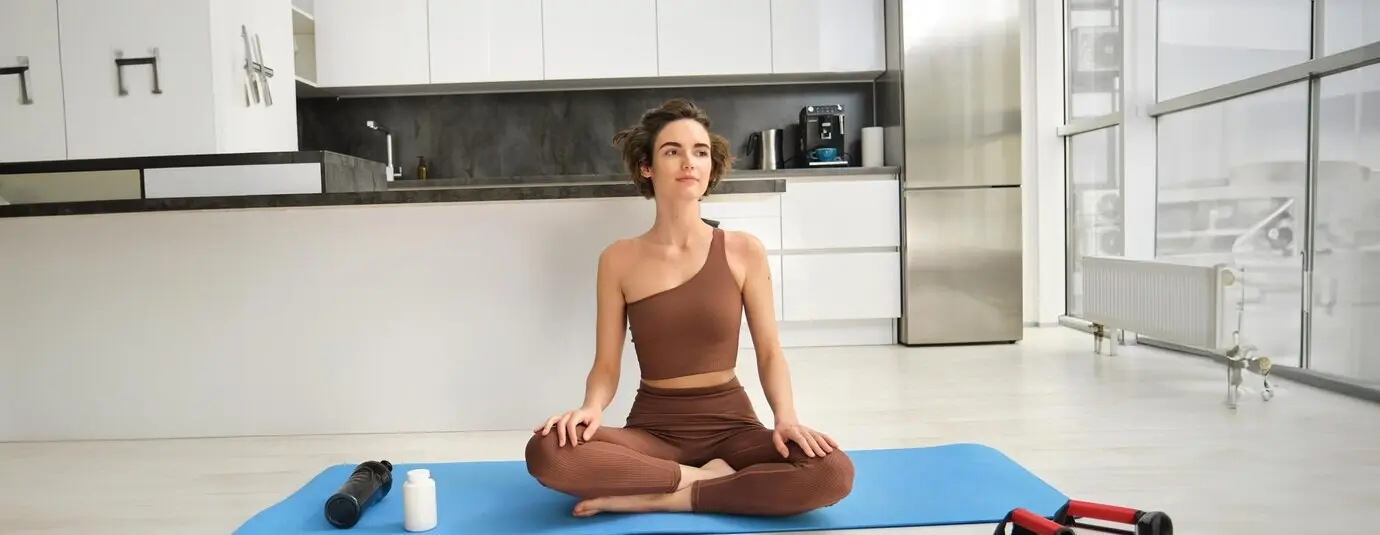
Gently slide one shoulder blade down and in as you hold your backpack strap with a light grip, keeping breath smooth and neck free. Alternate sides at the platform or curb. This subtle action opens the chest without drawing attention and helps reverse hours of hunching. Add a soft exhale and visualize space across your collarbones. Release any pushing, letting gravity assist. Arrive at your destination taller, warmer, and more available for connection.
Transit Kindness Practice

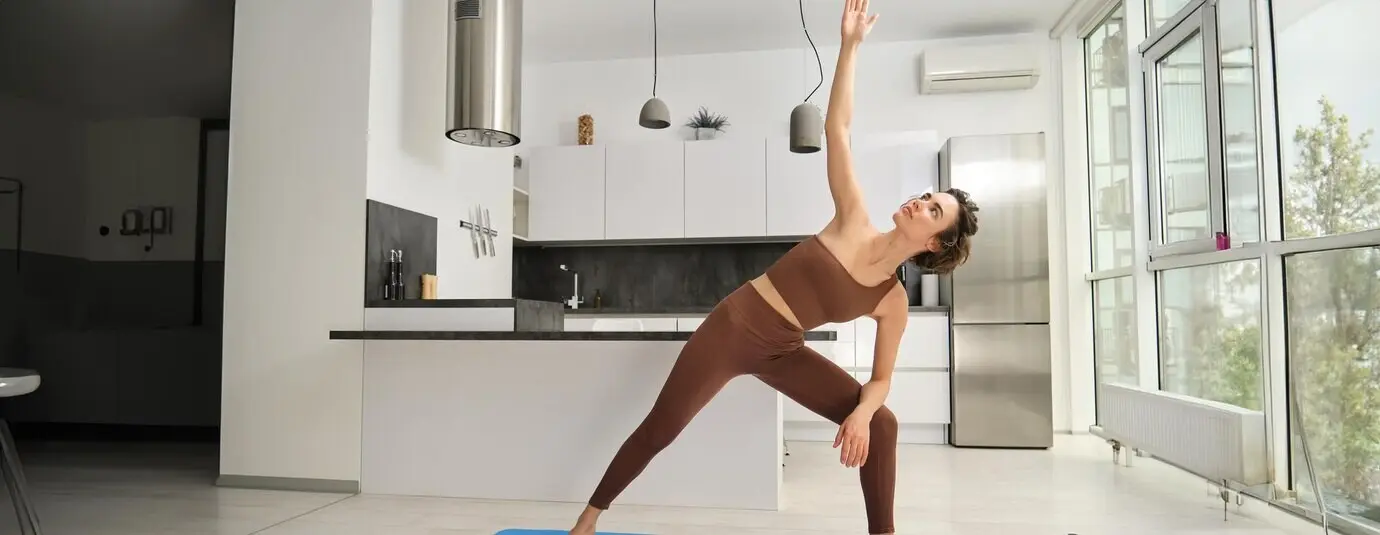
Choose one person in view and wish them safety and ease, silently, without staring. Repeat for a few others, including yourself. This quiet goodwill softens edges around annoyance and invites a larger perspective. Your nervous system often mirrors the intention, easing breath and loosening shoulders. It takes less than a minute, asks nothing in return, and gradually reorients commutes toward dignity, patience, and shared humanity on crowded platforms, buses, trains, and sidewalks.

Habit-Stacking That Actually Sticks

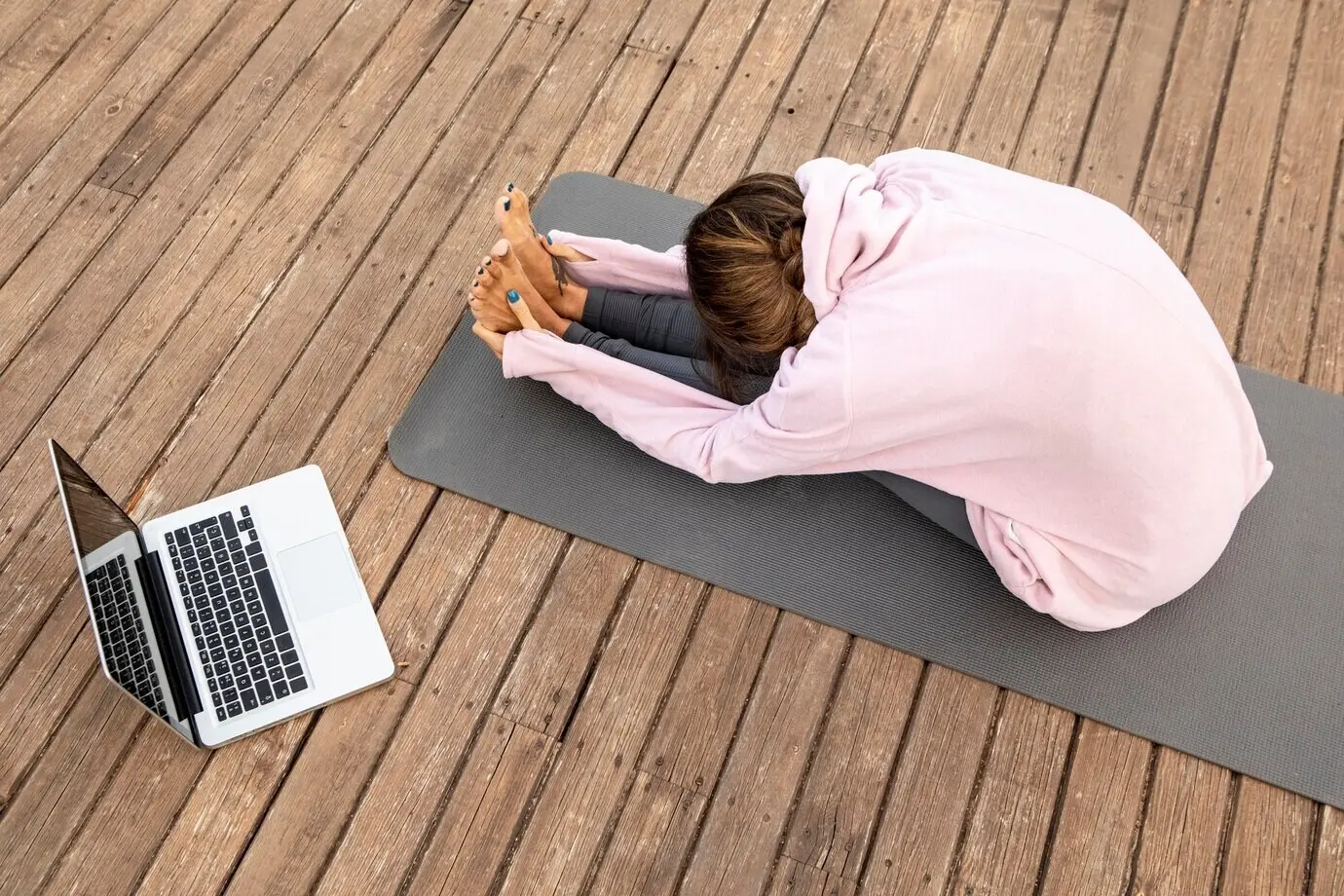
Lasting change grows from frictionless placement. Attach one micro-practice to an action you already do—pouring coffee, opening your laptop, stepping into shoes. Design the environment so the smallest good choice becomes easiest: water bottle visible, chair inviting upright posture, phone wallpaper prompting one exhale. Use compassionate data: tiny checkmarks, no perfection. Celebrate completion with a kind sentence to yourself. Researchers call this approach small, meaningful wins; your nervous system calls it relief and trust.

If–Then Planning That Works

Write one simple sentence: If I close a tab, then I take one slow breath and relax my shoulders. Keep the action obvious, specific, and brief. This pairing reduces decision fatigue, because your next step is preloaded. After a week, adjust the wording to fit your rhythms. Treat revisions as wisdom gained, not failure. The more generous the plan, the more consistently you will return to it under pressure and during ordinary days.

Environment That Nudges Calm

Place a sticky note by the monitor that simply says exhale. Keep a soft ball near the keyboard to roll under your palm during a call. Aim a chair slightly toward a window to invite wider vision. These cues function like friendly signposts, reminding your nervous system of options beyond bracing. Because they require little effort, you will use them often, turning surroundings into partners that brighten focus and soften stress.

Micro-Moments for Parents and Caregivers

Care is demanding and beautiful, often at once. Micro-Moment Yoga and Mindfulness can fit between snack requests, school pickups, and bedtime stories. Breathe with a child’s rhythm for two cycles, sway gently while holding them, or stretch calves while waiting at the sink. These gestures restore your steadiness without leaving the room. They also model regulation skills in real time, quietly teaching nervous systems—yours and theirs—that calm is possible even amid noise.

Tantrum-Ready Grounding

Before stepping in, feel both feet fully, knees soft, jaw easy. Inhale quietly through the nose, exhale as if fogging a mirror with lips barely parted. Speak slower than usual, mirroring steadiness you want to see. Even if the storm continues, your regulated presence protects your energy and offers a landing place. Later, take three longer exhales while tidying toys, letting your spine sway. Repair begins with calm connection, not explanations.

Nap-Time Sunbeam Stretch

While the house is finally quiet, stand near a window, lift arms on an inhale, and fold partway on the exhale, knees soft. Repeat three times, adding a long, grateful breath at the end. The ritual takes under a minute, yet refreshes back line tissues and brightens mood. When interruptions happen, simply pause and complete one more breath. Let warm light and kind attention refill the well you draw from all day.

Compassion for Yourself

Speak to yourself the way you would to a dear friend carrying too much. Place a hand on your heart, breathe slowly, and say, This is hard, and I am doing my best right now. Feel the warmth under your palm. Let shoulders yield to gravity. This micro-practice softens perfectionism and keeps courage available, so you can continue caring with integrity and rest when needed without defending your worth to anyone, including yourself.

Digital Life, Gentle Mind

The devices that connect us can also cue presence. Transform notifications into friendly bells, pauses between messages into breathing spaces, and lock screens into reminders to soften eyes. Build boundaries that feel kind, not punitive: a screen-free meal, a bedtime phone basket, playlists that slow your tempo. Micro-Moment practices dignify attention online, so conversations feel warmer, scrolling less sticky, and creativity more available when you finally close the lid.

Inbox Exhale

Before replying, inhale gently as you read the message once, then exhale longer as you sense your feet. Ask, What is the kind, clear next step? This pause prevents reactive phrasing and reduces accidental urgency. Even ten seconds can change tone and outcome. If emotions run high, save as draft, stand up, roll shoulders, and return with fresher eyes. Your future self will thank you for choosing pace over pressure.

Home Screen Ritual

Arrange your first row of apps so the middle icon is a calming image—perhaps a leaf or a sky—and touch it before opening anything else. Take one conscious breath while viewing that image. This tiny ritual becomes the gate that steadies your attention. Over days, the habit interrupts autopilot impulses and reduces compulsive checking. If you skip it, no scolding; simply restart next tap, trusting repetition to carve new, gentler grooves.

Community, Challenges, and Your Voice

Practice deepens with companionship. Join us for gentle challenges that fit real lives, share stories about what helped during tense mornings or long afternoons, and encourage someone starting fresh today. Ask questions, request guidance, and offer your experiments. Together we can map which micro-practices travel well across schedules and seasons. Subscribe for weekly reminders and kind nudges. Your voice shapes this space, keeping it practical, welcoming, and alive with honest, hopeful attention.
Zotofenipemexe
Privacy Overview

This website uses cookies so that we can provide you with the best user experience possible. Cookie information is stored in your browser and performs functions such as recognising you when you return to our website and helping our team to understand which sections of the website you find most interesting and useful.